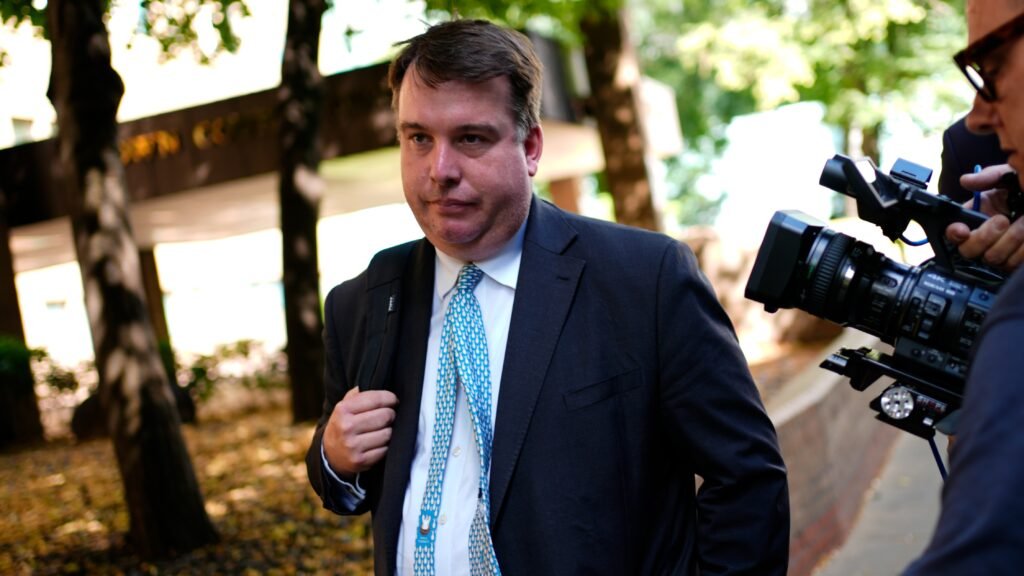
In September 2026 the UK Gambling Commission confirmed that Anthony Lee, a former Conservative Party campaign director, pleaded guilty to two offences of cheating under the Gambling Act 2005. His wife, Laura Lee, also admitted one related offence. The case centres on bets placed using confidential information about the date of the 2024 general election before that information was made public. Sentencing is due on 23 October, with a maximum penalty of two years’ imprisonment.
This article examines the background to the case, the legal framework under the Gambling Act, the wider implications for political integrity and the gambling industry, and what the guilty pleas mean for public trust in both politics and regulated betting. The analysis is written for UK readers following developments in gambling regulation, political accountability and consumer protection. Those comparing regulated platforms can also review current casino welcome bonuses.
Background to the Election Betting Investigation
The investigation into betting on the 2024 general election date has been one of the most closely watched integrity cases in recent British political and gambling history. Allegations emerged that individuals with access to non-public information about the timing of the election used that knowledge to place bets before the date was announced.
Anthony Lee held a senior role in the Conservative Party’s campaign structure at the relevant time. The Gambling Commission’s case focused on whether information that was not available to the general public was used to gain an unfair advantage in betting markets. Under section 42 of the Gambling Act 2005, cheating at gambling is a criminal offence. The provision covers a range of conduct, including the misuse of inside information in certain circumstances.
The guilty pleas entered in September 2026 bring a significant part of the investigation to a formal conclusion, although sentencing remains outstanding and further related proceedings cannot be ruled out.
The Legal Framework: Cheating under the Gambling Act 2005
Section 42 of the Gambling Act 2005 makes it an offence to cheat at gambling or to enable another person to cheat. The offence is drafted broadly and can capture a variety of dishonest practices. In the context of political betting, the central question is whether the use of confidential information that was not in the public domain amounted to cheating.
The Gambling Commission has stressed for years that betting markets must operate on a level playing field. When individuals with privileged access to information place bets that ordinary customers could not have placed with the same knowledge, the fairness of those markets is undermined. The Commission’s decision to pursue criminal charges rather than purely regulatory action reflects the seriousness with which it views integrity offences that intersect with public life.
The maximum sentence of two years’ imprisonment underscores that Parliament treated cheating at gambling as a meaningful criminal matter, not a minor regulatory infringement.
Why the Case Matters for Public Trust
Political betting has existed in the UK for many years and is a legitimate activity when conducted with publicly available information. The difficulty arises when the boundary between public knowledge and private information is crossed. Cases of this kind risk reinforcing public cynicism about both politics and gambling.
For the gambling industry the stakes are also high. Licensed operators invest heavily in integrity monitoring, suspicious bet reporting and cooperation with the Commission. When high-profile cases involving political figures or party officials emerge, they can overshadow the day-to-day compliance work that licensed firms undertake. Maintaining public confidence requires clear enforcement when rules are broken.
The Role of the Gambling Commission
The Gambling Commission’s handling of the investigation demonstrates its willingness to pursue criminal outcomes in serious integrity cases. While many regulatory matters are resolved through licence reviews, financial penalties or voluntary settlements, the Commission retains the ability to refer matters for criminal prosecution where the evidence supports it.
The guilty pleas suggest that the evidential threshold was met. The forthcoming sentencing hearing will provide further indication of how the courts view the seriousness of using non-public political information for betting advantage.
Implications for Political Parties and Officials
The case sends a clear signal to anyone working in or around political campaigning. Access to confidential information about election timing, policy announcements or other market-sensitive developments carries corresponding responsibilities. Placing bets on the basis of that information, or sharing it in a way that enables others to do so, creates legal risk under the Gambling Act.
Political parties may need to review internal guidance, training and information-handling protocols to reduce the chance of similar situations arising. Clear rules about what staff and officials may and may not do with non-public information, including in relation to betting, are a basic risk-management step.
Wider Context: Integrity in UK Betting Markets
The UK has one of the most developed frameworks for protecting the integrity of betting markets. Licensed operators are required to report suspicious activity, and the Commission works with sporting bodies and other partners on integrity issues. Political betting sits in a slightly different category because the “inside information” often originates outside the traditional sporting or racing environments that integrity systems were originally designed to police.
The election betting case illustrates that the same principles of fairness apply. Markets should reflect publicly available information. When they do not, both consumers and the reputation of the industry suffer.
What the Guilty Pleas Mean for Ordinary Punters
For the average UK bettor the practical takeaway is straightforward. Betting remains a legitimate leisure activity when conducted with licensed operators and on the basis of public information. The existence of criminal sanctions for cheating helps protect the fairness of those markets.
Players who stick to UK-licensed bookmakers and casinos benefit from the regulatory framework that includes identity checks, safer gambling tools and, where appropriate, suspicious activity reporting. Unlicensed sites offer none of those safeguards. Readers who want to stay within the regulated sector can explore options such as the PlayOJO Casino UK review and other Commission-licensed platforms.
Sentencing and Next Steps
Sentencing is listed for 23 October 2026. The court will consider the full circumstances, including the level of planning, the sums involved, the degree of breach of trust and any mitigating factors. Until the hearing takes place it is not possible to predict the precise outcome, but the maximum penalty of two years provides the upper limit of the court’s powers on these charges.
Further related investigations or proceedings cannot be ruled out. The Commission and other authorities have previously indicated that election-related betting remains an area of interest.
Broader Lessons for the Gambling Industry
Licensed operators can take several points from the case:
- Integrity risks are not limited to sport. Political and other non-sporting markets also require vigilance.
- Cooperation with the Gambling Commission on suspicious bets remains essential.
- Public confidence depends on visible enforcement when serious breaches occur.
- Clear internal policies on staff betting and the handling of non-public information reduce organisational risk.
The industry’s long-term interest lies in markets that are seen to be fair. High-profile criminal cases, while uncomfortable, can reinforce that message when they result in accountability.
Player Advice and Safer Gambling
UK players who want to minimise risk should:
- Use only operators licensed by the Gambling Commission
- Treat any suggestion of “inside information” with extreme caution
- Make use of deposit limits, time-outs and self-exclusion tools where appropriate
- Remember that licensed sites offer dispute resolution routes that unlicensed platforms do not
Those who prefer mobile-first experiences can also consult curated lists of mobile casinos.
Frequently Asked Questions
Who pleaded guilty?
Anthony Lee, a former Conservative Party campaign director, pleaded guilty to two charges of cheating. His wife, Laura Lee, pleaded guilty to one related charge.
What was the alleged conduct?
The case concerns bets placed using confidential information about the date of the 2024 general election before that information was publicly available.
What is the maximum sentence?
The maximum penalty for the offences under the Gambling Act is two years’ imprisonment.
When is sentencing?
Sentencing is scheduled for 23 October 2026.
Does this affect ordinary bettors?
The case reinforces that UK betting markets are subject to integrity rules. Ordinary players who use licensed operators and public information are not the target of such prosecutions.
Where can I find regulated UK gambling options?
Licensed operators are listed on the Gambling Commission website. Independent reviews and current offers are also available at JennyCasino.
Conclusion
The guilty pleas entered by Anthony Lee and Laura Lee in September 2026 mark a significant moment in the investigation into election-related betting. By bringing the matter before the criminal courts, the Gambling Commission has underlined that the use of non-public information to gain a betting advantage can amount to cheating under the Gambling Act 2005.
The case has implications for political parties, for the gambling industry’s integrity systems, and for public confidence in both politics and regulated betting. Sentencing in October will provide the next formal stage of the process. In the meantime, the clear message for players remains unchanged: stick to licensed operators, rely on public information, and use the safer gambling tools that the regulated sector is required to provide.
Related article:
London UK: Prime Minister’s Security Arrested Over Election Bets
Always gamble responsibly. If you need support, visit BeGambleAware.org or call the National Gambling Helpline on 0808 8020 133.